Questions You Might Have
Some of our most common questions that we get about our work.
What types of wildlife do you remove?
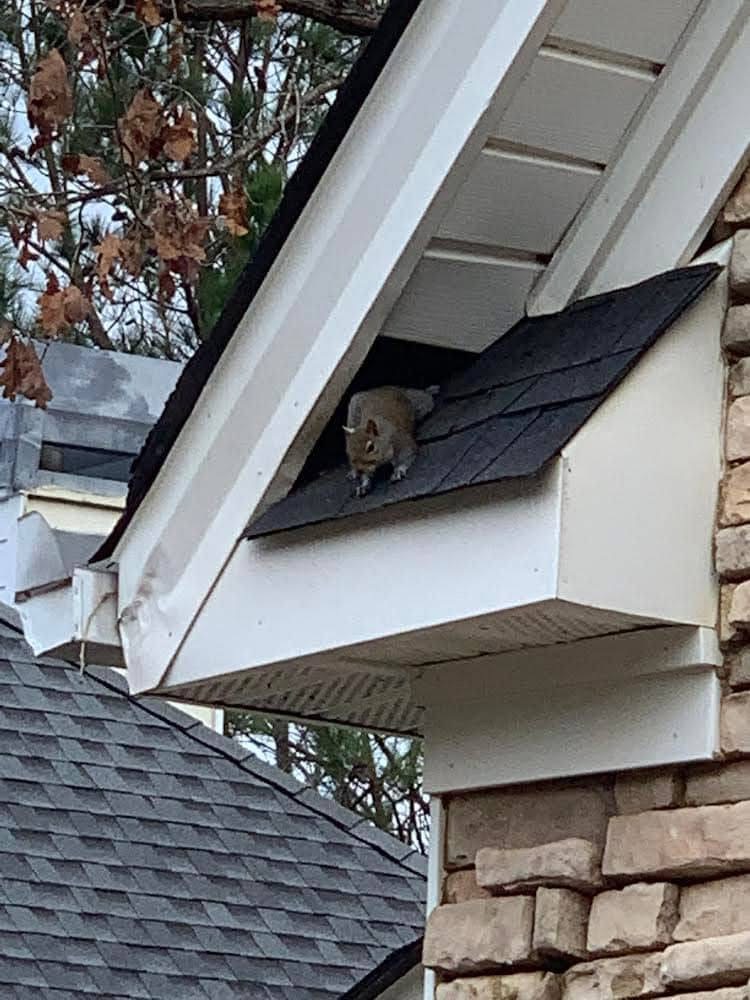
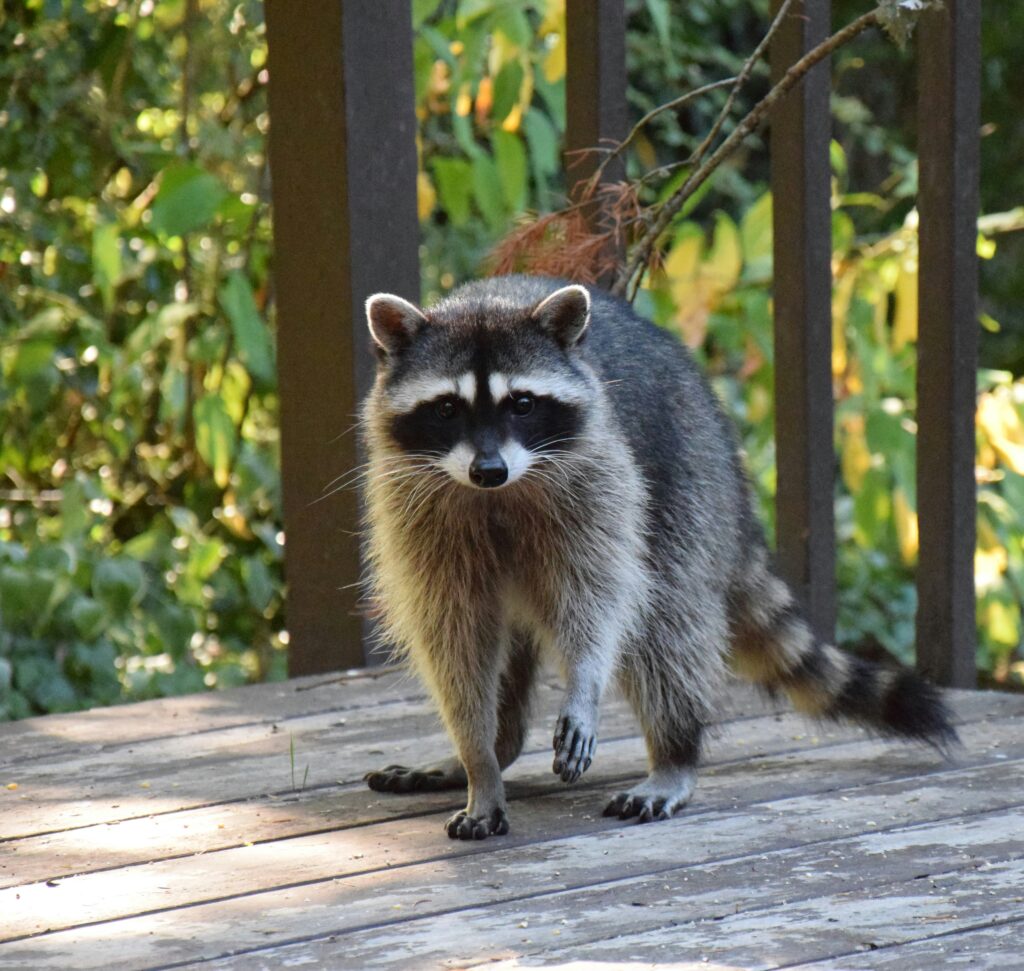
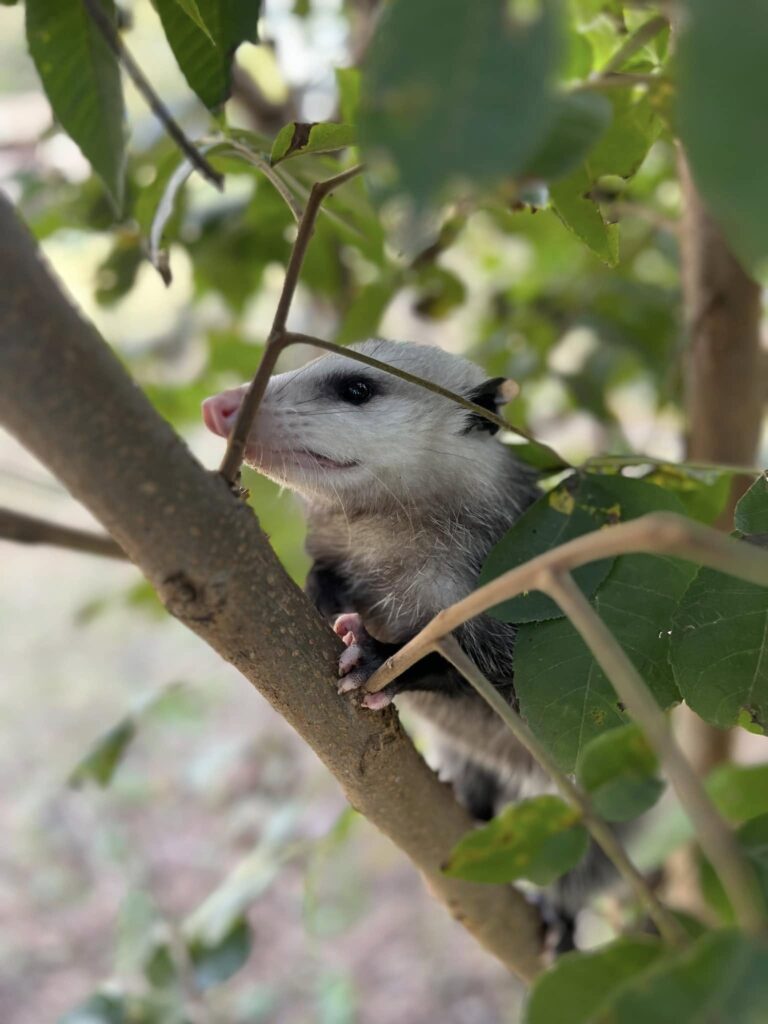
We work with many common Georgia nuisance wildlife species, including raccoons, squirrels, opossums, bats, and other wildlife that may enter homes and structures. Species-specific laws and regulations determine what removal methods can legally be used.
Can you remove wildlife from my attic?
Yes. Attics are common entry points for raccoons, squirrels, bats, and other wildlife. We inspect the roofline, vents, soffits, fascia, chimneys, and other vulnerable areas to determine how the animal got inside.
Can you remove wildlife from my crawlspace?
Yes. Crawl spaces can provide easy access to wildlife through damaged vents, gaps around pipes, foundation openings, and other structural vulnerabilities. We inspect the area and address the access points as part of the exclusion process.
Can you remove wildlife from my chimney?
In many cases, yes. We can inspect the chimney and determine how the animal entered and whether young are present. Depending on the species, we can recommend the appropriate removal and exclusion solution.
Do you remove wildlife from commercial buildings?
Yes. We can provide wildlife inspection and exclusion services for homes, businesses, warehouses, offices, and other structures, depending on the property and species involved.
What is wildlife exclusion?
Wildlife exclusion is the process of identifying how animals are getting into your home or building, removing the animals when legally permitted, and sealing the entry points so they cannot get back inside. Unlike simply trapping an animal, full exclusion addresses the reason wildlife was able to enter in the first place.
Why is full exclusion better than simply removing the animal?
Removing an animal without addressing the entry point often means another animal will eventually move in. Full exclusion focuses on solving the problem at its source by securing vulnerable areas of the structure and preventing future wildlife access.
What does a full wildlife exclusion include?
A full exclusion typically includes a thorough inspection, identification of entry points, determination of how wildlife is accessing the structure, appropriate animal removal or eviction, sealing of entry points, and installation of durable exclusion materials where needed. The exact work depends on the species and condition of the structure.
Do you trap and relocate wildlife?
Not necessarily. Wildlife control in Georgia is regulated, and relocation is not appropriate or legal for every species. Our technicians follow applicable Georgia DNR requirements and use the legally permitted method for the particular species and situation.
Is wildlife removal legal in Georgia?
Yes, but wildlife removal is regulated. Georgia requires appropriate permits for nuisance wildlife control, and the permitted methods vary by species. A professional wildlife company should be properly licensed and permitted to perform the work it offers.
Are you licensed to remove wildlife in Georgia?
Yes. We maintain the required Georgia DNR Nuisance Wildlife Control credentials and follow applicable state regulations.
Will you kill the animal?
Our goal is to resolve wildlife conflicts using appropriate, humane methods whenever possible. Georgia regulations determine which species may be trapped, relocated, euthanized, or excluded and which methods may be used. We follow the requirements that apply to each situation.
Can you remove baby animals?
Wildlife with young requires special consideration. Simply removing an adult can leave babies trapped inside a structure, creating a larger animal-welfare problem. We inspect for young and take the appropriate legal steps to address the family safely.
What happens if an animal has babies inside my attic or crawl space?
We will determine whether young are present and develop a removal/exclusion plan appropriate for the species. The goal is to prevent babies from being trapped inside while ultimately securing the structure against future entry.
Can you remove bats in my attic?
Yes, but bat removal is subject to specific Georgia requirements. In Georgia, bats are handled through exclusion rather than lethal removal, and special care is required during the maternity season. Georgia DNR advises avoiding bat exclusions from April 1 through July 31 unless it can reasonably be determined that no flightless young are present.
What is wildlife exclusion?
Wildlife exclusion is the process of identifying how animals are getting into your home or building, removing the animals when legally permitted, and sealing the entry points so they cannot get back inside. Unlike simply trapping an animal, full exclusion addresses the reason wildlife was able to enter in the first place.
Why is full exclusion better than simply removing the animal?
Removing an animal without addressing the entry point often means another animal will eventually move in. Full exclusion focuses on solving the problem at its source by securing vulnerable areas of the structure and preventing future wildlife access.
What does a full wildlife exclusion include?
A full exclusion typically includes a thorough inspection, identification of entry points, determination of how wildlife is accessing the structure, appropriate animal removal or eviction, sealing of entry points, and installation of durable exclusion materials where needed. The exact work depends on the species and condition of the structure.
Do you trap and relocate wildlife?
Not necessarily. Wildlife control in Georgia is regulated, and relocation is not appropriate or legal for every species. Our technicians follow applicable Georgia DNR requirements and use the legally permitted method for the particular species and situation.
Is wildlife removal legal in Georgia?
Yes, but wildlife removal is regulated. Georgia requires appropriate permits for nuisance wildlife control, and the permitted methods vary by species. A professional wildlife company should be properly licensed and permitted to perform the work it offers.